


 (843) 343-4542
 gerry@mda-recon.com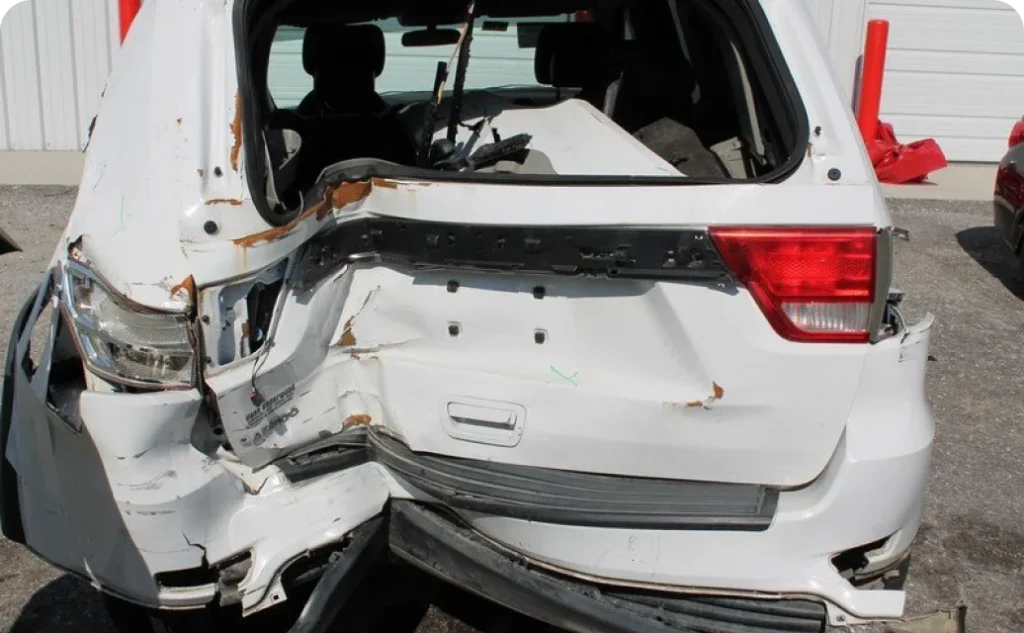
 Gerald C. McDevitt
Low Delta-V Collisions and Disputed Injury Claims: What the Physics Actually Show
Low-speed impacts produce less vehicle damage but can still generate significant occupant forces — forensic reconstruction can distinguish…
Motorcycle collisions involve physics and dynamics that differ significantly from passenger vehicle crashes, requiring specialized methodology to accurately determine speed, point of impact, and causation.
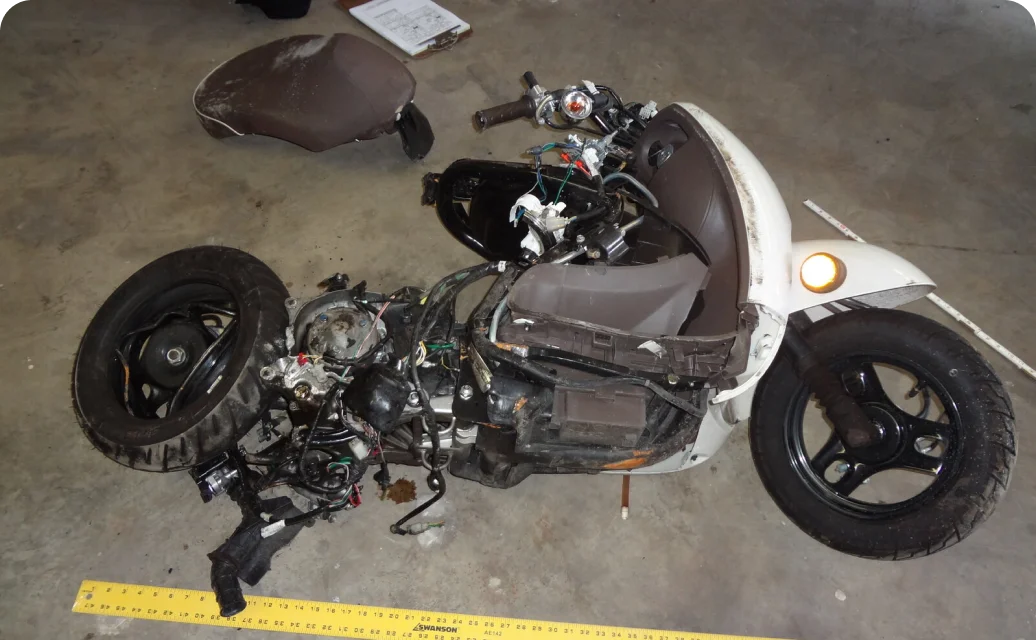
Motorcycle collisions are not car accidents with smaller vehicles. They involve distinct physics, different dynamics, and a level of complexity that demands specialized analysis. A motorcycle lean angle at the moment of impact, a rider’s pre-impact posture, the difference between a high-side and a low-side, the role of counter-steering at speed — each of these factors can bear directly on fault, causation, and the injury mechanics of the case. Attorneys handling motorcycle cases need a reconstruction expert who understands not only the physics of two-wheeled vehicles but the realities of how motorcycles are actually ridden.
Gerald McDevitt has reconstructed motorcycle collisions including single-vehicle loss-of-control events, vehicle-versus-motorcycle impacts at intersections, lane-change collisions, rear-end strikes, and high-energy impacts with catastrophic injury. Each case demands a methodology grounded in scientific principles and informed by practical familiarity with how motorcycles behave under real-world conditions.
The fundamental difference between a motorcycle and a passenger vehicle is stability. A motorcycle is a single-track vehicle that stays upright through a combination of steering geometry, speed-dependent forces including gyroscopic effects, and active rider input. It is capable of dynamics no four-wheeled vehicle produces — counter-steering and controlled lean — and its behavior at the limit depends heavily on rider input.
This has direct implications for reconstruction. The tire marks a motorcycle leaves differ from those of a car in width, pattern, and what they reveal about braking. A motorcycle that goes down may produce scrape marks from footpegs, handlebars, or the rider’s protective gear — evidence that must be identified and interpreted correctly. A motorcycle in a high-side event travels a measurably different trajectory than one in a low-side. Rider position at impact affects both collision dynamics and injury causation. And the rider’s pre-impact inputs — throttle, brake, steering, body position — are often the central issue in determining whether the rider or another party caused or contributed to the collision.
An analyst who approaches a motorcycle case using passenger vehicle assumptions risks missing critical evidence and reaching findings the evidence does not support.
Motorcycle collisions produce evidence that is both distinctive and, in many cases, fragile. Scuff and gouge marks from the motorcycle’s contact with the roadway indicate the path of travel after loss of control. Paint transfer on the motorcycle and any involved vehicle documents contact points and angles. Damage to the motorcycle itself — to the frame, fork, wheels, and controls — records the direction and severity of the impact. Rider protective equipment, when available for inspection, carries scrape patterns and impact marks that help establish rider position at the moment of collision.
Roadway surface conditions are disproportionately important in motorcycle cases. Loose gravel, oil, tar snakes, painted markings in wet conditions, potholes, and edge-of-pavement drop-offs can cause loss of control in ways that are irrelevant to four-wheeled vehicles. A complete reconstruction documents surface conditions at the location of loss of control and evaluates their contribution to the incident.
Where available, event data recorder information from any involved passenger vehicle provides the same data it would in any other case — pre-crash indicated speed, brake switch status, accelerator position, and change in velocity — when the collision triggered a recorded event, read within its limits. Motorcycles are not covered by the federal EDR rule, although some motorcycle engine and ABS modules store data worth retrieving. When a motorcycle-versus-vehicle collision turns on which party had the right of way or which driver failed to perceive the other, EDR data from the other vehicle is often central.
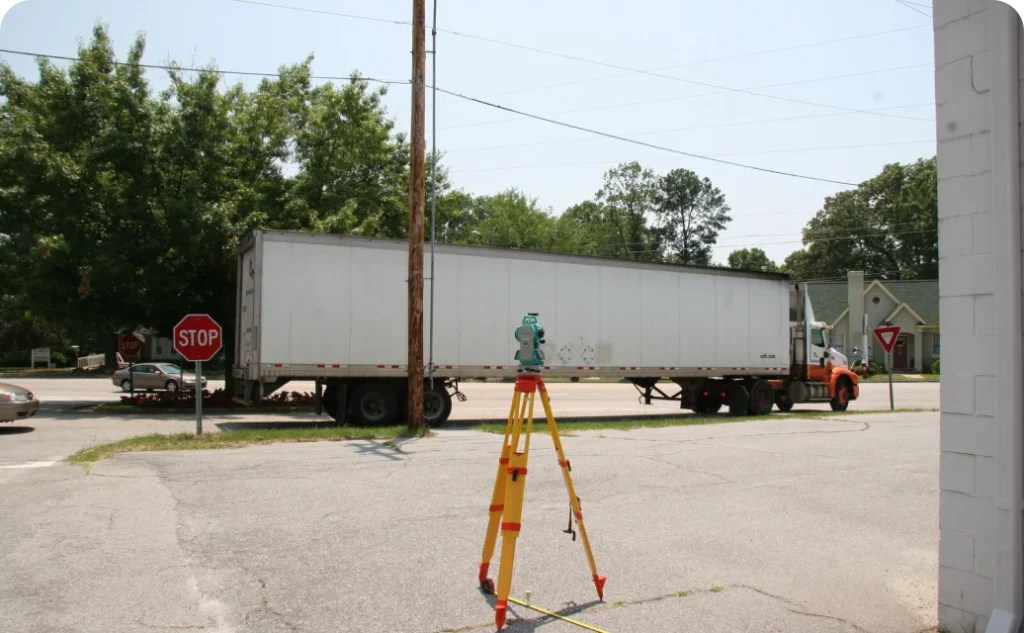
Gerald McDevitt integrates all available evidence sources — roadway documentation through Emlid Reach RS3 GNSS, a Sokkia reflectorless total station, aerial imagery through the Autel EVO II Pro RTK V3 drone, vehicle and motorcycle documentation through Recon3D handheld LiDAR scanning, the Bosch Crash Data Retrieval tool for the EDR of any involved passenger vehicle, and the Racelogic VBOX GNSS data logger for speed and motion data when supplementary testing supports the analysis.
The central question in many motorcycle cases is rider behavior. Did the rider have adequate time to perceive and react to the hazard? Was the motorcycle visible and conspicuous to other drivers? Did the rider take evasive action, and if so, was that action appropriate to the circumstances? Answering these questions requires human factors analysis grounded in the published research on motorcycle rider perception, reaction, and decision-making under real-world conditions.
Motorcycle conspicuity is a well-studied area of the human factors literature. Research documents the conditions under which motorcycles are more or less likely to be detected by other drivers, the role of headlight modulation, rider apparel color, and approach angle in detection probability, and the typical perception-reaction times applicable to drivers responding to approaching motorcycles. This analysis addresses the common claim that a driver “didn’t see the motorcycle” — and allows the trier of fact to evaluate whether the motorcycle was reasonably detectable under the specific conditions of the case.
On the rider side, the analysis examines whether the rider’s pre-impact inputs — throttle, brake, steering, and body position — were consistent with published rider-response data. The class of motorcycle involved affects its handling characteristics. A sport bike, a cruiser, and a touring motorcycle respond to rider input differently and present different handling characteristics at the limit.
Reconstructing a motorcycle collision requires more than academic familiarity with two-wheeled vehicle dynamics. It requires an understanding of how motorcycles behave under rider input, supported by the published research.
Gerald McDevitt brings this depth of experience to every motorcycle case. His background includes more than fifteen years as supervisor and trainer of the Charleston Police Department Motorcycle Unit, and he is a Northwestern University Center for Public Safety certified police motorcycle instructor. That practical operational experience, combined with forensic reconstruction training and courtroom qualification, grounds the analysis in direct familiarity with the behavior being reconstructed.
Riding experience across a wide range of motorcycle classes, from street and sport to touring and off-road, informs the analysis of rider behavior, vehicle dynamics, and the specific handling characteristics relevant to each case. That practical experience is part of what the reconstruction expert brings to the rider-behavior analysis.
A motorcycle reconstruction can determine vehicle and motorcycle speeds, the sequence of events from pre-impact through final rest, rider and driver inputs where physical or electronic evidence supports the analysis, whether the motorcycle was reasonably detectable under the ambient conditions, and whether the rider’s actions were consistent with published perception-reaction data for the driving and riding populations.
A reconstruction expert cannot determine the intent or conscious decision-making of the rider or any other party, nor what any individual subjectively perceived at any given moment. Those are questions for the trier of fact to decide. The expert provides the measurable reality of what happened and the scientific framework for evaluating driver and rider conduct; the finder of fact applies that framework to the specific people in the case.
Motorcycle collision evidence degrades quickly. Light scuff and tire marks can fade within hours, and those are often the marks that matter most in motorcycle incidents. Motorcycles are often released to the rider’s family or to salvage within days of the collision, making later inspection difficult or impossible. Protective equipment may be discarded, laundered, or damaged further before it can be properly documented. Witness memories fade, and the specific recollections relevant to conspicuity — what the witness saw, when, and from where — are particularly perishable.
Retaining a qualified reconstruction expert early in the case preserves evidence that would otherwise be lost and positions the case for the strongest possible analysis regardless of which side ultimately carries the burden of proof. Even when the collision occurred months or years before retention, a qualified expert can still work effectively from available discovery materials — but early involvement generally produces the most defensible results.
Motorcycle collisions are complex, evidence-rich cases where the details matter. The dynamics of a single-track vehicle, the specific patterns of evidence left at the scene, the central role of conspicuity and rider behavior, and the particular demands of human factors analysis all require a reconstruction expert whose work is grounded in both scientific methodology and practical familiarity with the vehicles being reconstructed. For plaintiff and defense counsel handling motorcycle cases, the right expert is one whose findings can be defended not because they sound plausible, but because they are supported by the physical evidence, validated by the scientific literature, and informed by years of police motorcycle operations and training.
1970 Armory Drive, Mount Pleasant, SC 29466
Gerald C. McDevitt
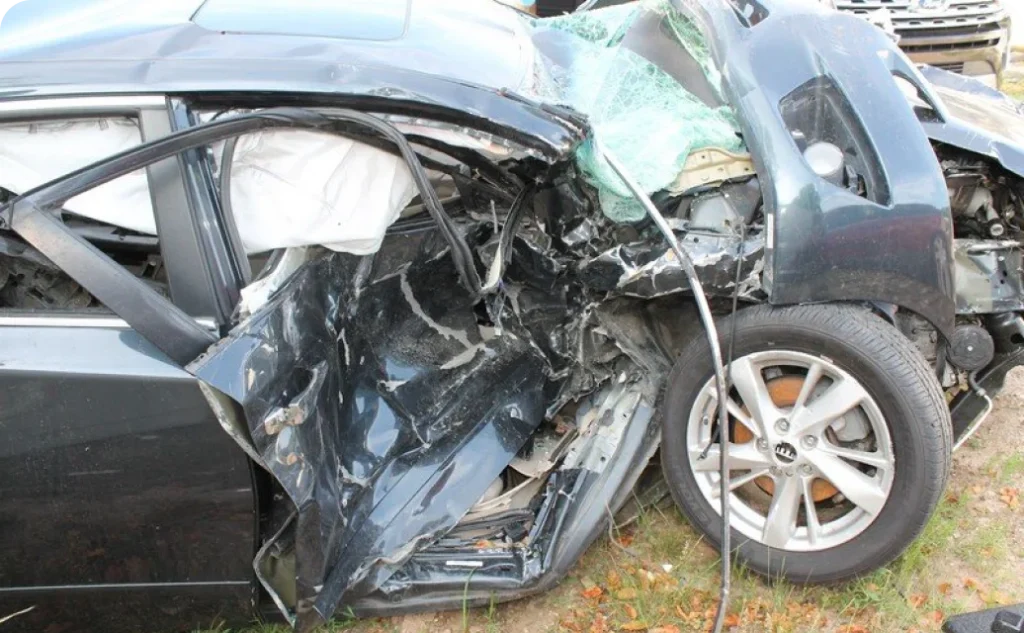
Low-speed impacts produce less vehicle damage but can still generate significant occupant forces — forensic reconstruction can distinguish…
 Gerald C. McDevitt
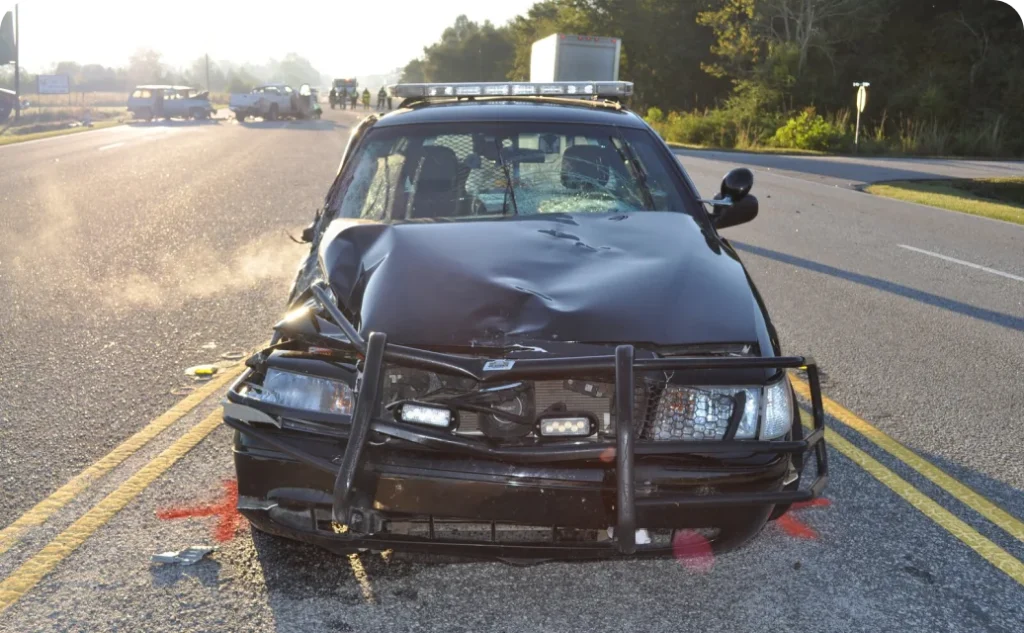
Proving that impairment caused a fatal collision — not just that the driver was impaired — requires a…
 Gerald C. McDevitt
A vehicle cannot leave a scene without leaving evidence — paint transfer, glass, tire impressions, and debris patterns…
 Gerald C. McDevitt
Tractor-trailer and fleet vehicle collisions involve federal regulatory requirements, electronic logging devices, and complex vehicle dynamics that demand…