

Collision Reconstruction for Litigation
Serving Attorneys, Insurers & Agencies
Gerald McDevitt provides detailed collision reconstruction services for a wide range of incident types, including passenger vehicles, commercial trucks, motorcycles, pedestrians, and specialized transportation cases.
Each reconstruction is based on physical evidence, digital data, and accepted scientific methods to determine how and why a collision occurred. Findings are documented so they can be examined, tested, and explained in deposition and at trial.
EXPERT SUPPORT FOR ATTORNEYS, INSURERS & INVESTIGATORS
Collision reconstruction is the scientific analysis of a traffic or transportation incident to determine the sequence of events, contributing factors, and underlying causes.
He evaluates physical evidence, including vehicle damage, scene measurements, roadway conditions, and digital data such as Event Data Recorder (EDR) information.
Gerald McDevitt develops all findings using accepted scientific principles, documented so each step can be reproduced and examined. His methodology is developed to meet Daubert and Frye admissibility standards.
Key Areas of Analysis
- Reckless driving incidents
- Vehicle–pedestrian collisions
- 3D reconstruction for court
- Driver perception-reaction time analysis
- Occupant kinematics and driver identification
- DUI / DWI fatality cases
- Commercial & emergency vehicle accidents
- Pre-impact speed and braking analysis
- Point of impact and post-impact movement
Types of Collision Cases Handled

Passenger Vehicle Collision
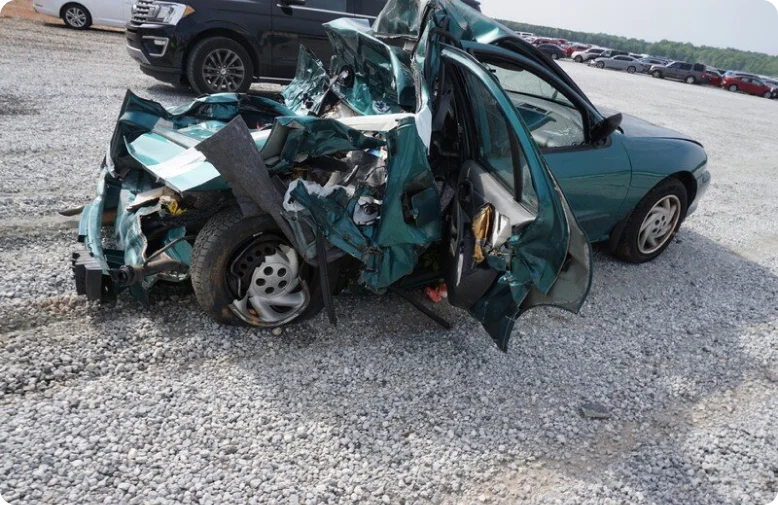
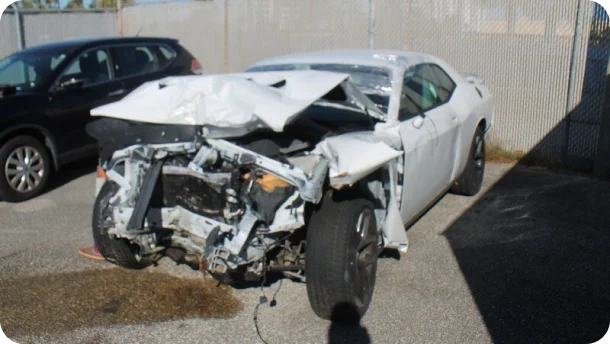
The majority of serious and fatal collisions involve passenger vehicles. Gerald McDevitt reconstructs the full sequence of events — pre-impact speed, braking, evasive action, point of impact, and post-impact movement — using physical evidence, roadway data, and vehicle EDR information.

Low Delta-V / Disputed Injury
Gerald McDevitt reconstructs low delta-V collisions using physics-based analysis to evaluate the forces involved and occupant kinematics — including occupant position and movement during the collision sequence. For cases that specifically require injury causation opinions or biomechanical body modeling, McDevitt and Associates, Inc. coordinates with a qualified biomechanical specialist identified and approved by retaining counsel.
Motorcycle Accident
Motorcycle collisions present unique reconstruction challenges including pre-impact positioning, rider behavior, roadway surface conditions, and vehicle-to-vehicle contact geometry. Gerald McDevitt applies accepted scientific methods to determine speed, point of impact, and causation, supported by more than fifteen years as supervisor and trainer of a police motorcycle unit and certification as a police motorcycle instructor.

Hit-and-Run
Hit-and-run reconstruction requires identifying a suspect vehicle through trace evidence, damage patterns, paint transfer, and scene geometry. Gerald McDevitt documents and analyzes the available physical evidence to establish vehicle contact signatures, direction of travel, and post-impact departure path.
Pedestrian / Bicyclist Accident
Pedestrian and bicyclist collisions require analysis of impact dynamics, throw distance, point of impact, pre-impact visibility, and lighting conditions. Gerald McDevitt has investigated and reconstructed pedestrian fatality cases throughout his career, including night-time visibility and conspicuity measurement at the scene.

Commercial Vehicle Accident
Commercial vehicle collisions — involving tractor-trailers, delivery vehicles, buses, and fleet vehicles — frequently involve federal regulatory compliance issues, electronic logging devices (ELD), and complex vehicle dynamics. Gerald McDevitt reconstructs these incidents using the same accepted scientific methods applied to all casework, and performs vehicle inspections and post-collision measurements, including brake pushrod stroke measurements. Heavy-truck ECM downloads are performed by James Sloan, a sub-contractor trained in those tools; Gerald McDevitt analyzes and interprets the recovered data.

Military Court-Martial (UCMJ)
McDevitt and Associates, Inc. provides forensic reconstruction analysis for UCMJ court-martial proceedings involving vehicular manslaughter (Article 119), negligent homicide (Article 134), vehicular homicide, felony DUI, and related offenses. Gerald McDevitt is a U.S. Air Force veteran who has been qualified and accepted as an expert witness in U.S. military courts. Retainer waived for government and military counsel.

DUI / Vehicular Homicide
Cases involving alcohol or drug impairment and a resulting fatality require reconstruction that establishes pre-impact speed, braking behavior, reaction time, and causation. Gerald McDevitt’s analysis is structured to meet the evidentiary demands of criminal prosecution and defense, with findings expressed to a reasonable degree of scientific and accident reconstruction certainty.
Technology & Methodology
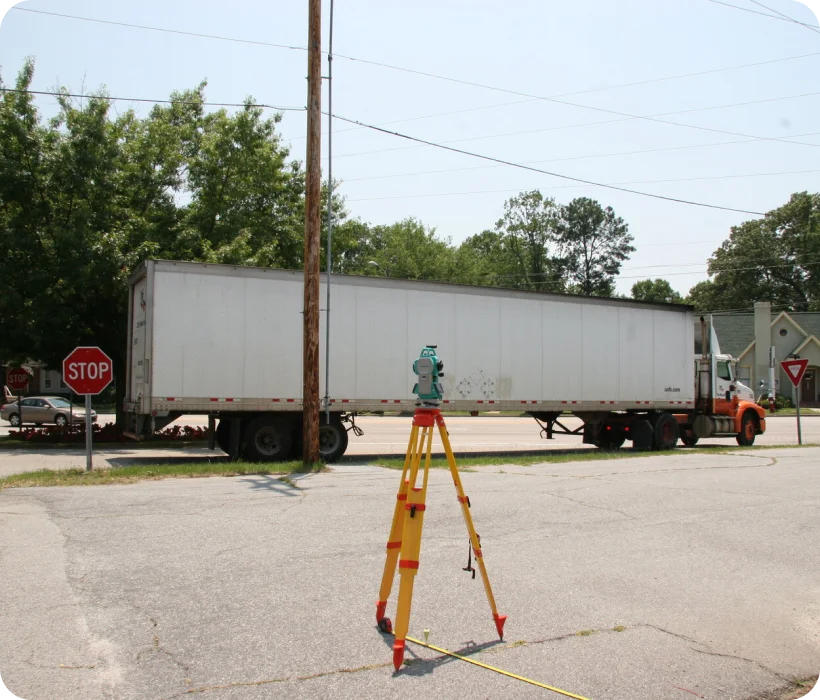
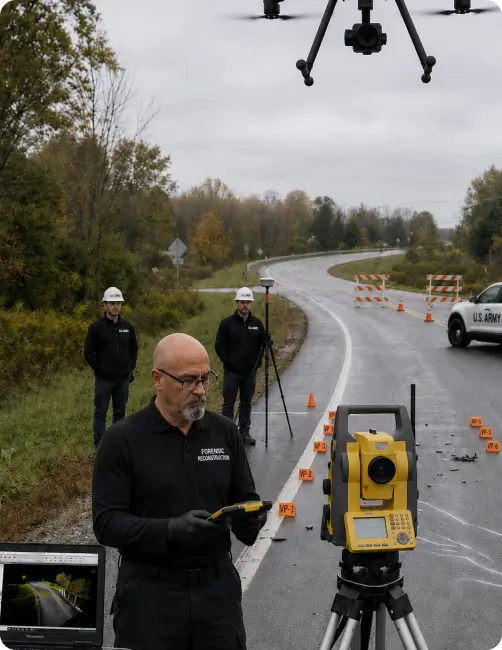
Gerald McDevitt supports each reconstruction with case-appropriate technology, including Recon3D handheld LiDAR scanning, a Sokkia reflectorless total station, Emlid Reach RS3 GNSS, drone photogrammetry, and a Racelogic VBOX GPS data logger for speed and motion data. All analyses are conducted using accepted scientific methods, documented so the work can be reproduced and examined in deposition and at trial.
These instruments allow the scene to be measured and documented, and the measurements to be checked against the physical evidence.
Analysis and Expert Testimony for Legal Cases
Gerald McDevitt prepares all findings for use in legal proceedings, including deposition and trial testimony. Each case is structured so the methodology is developed to meet Daubert and Frye admissibility standards, and so the basis for every conclusion can be examined on cross-examination.