


 (843) 343-4542
 gerry@mda-recon.com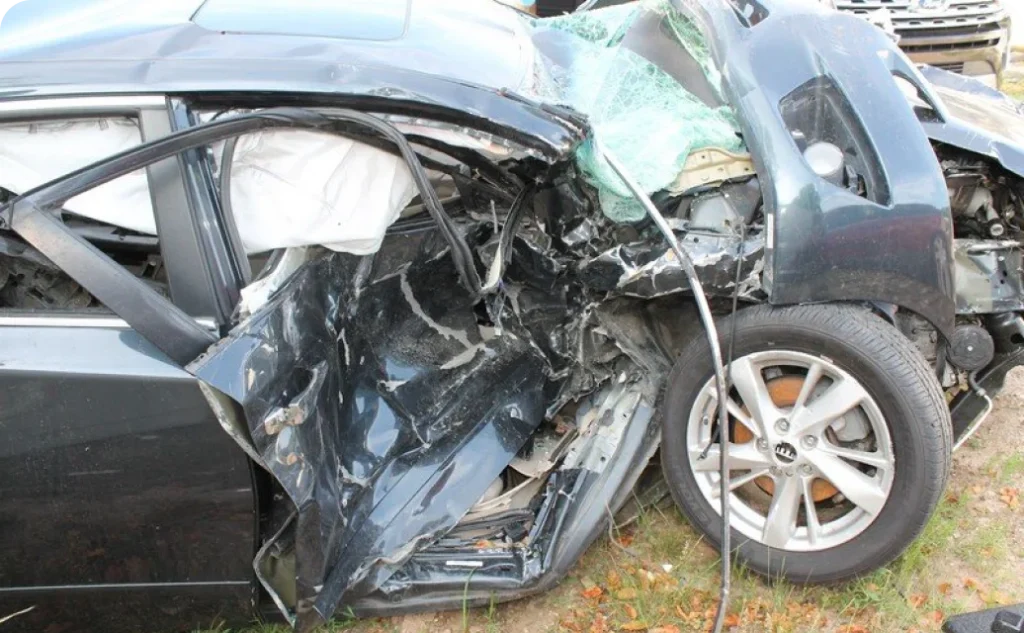
 Gerald C. McDevitt
DUI and Vehicular Homicide Reconstruction: Impairment, Causation, and Criminal Case Evidence
Proving that impairment caused a fatal collision — not just that the driver was impaired — requires a…
Low-speed impacts produce less vehicle damage but can still generate significant occupant forces — forensic reconstruction can distinguish legitimate injury mechanics from unsupported claims.
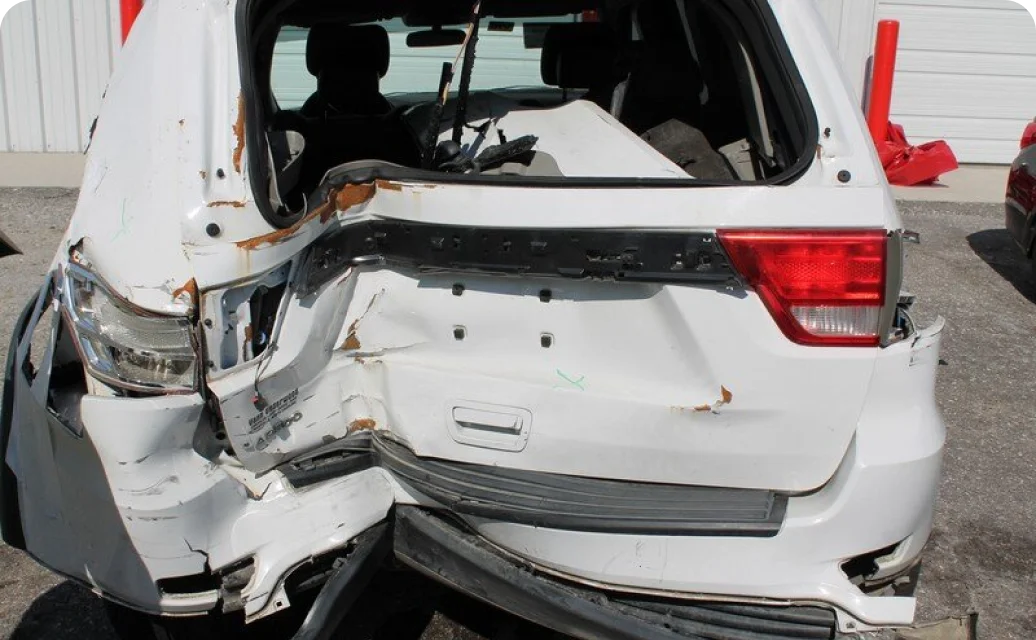
Low delta-V collisions — the low-speed rear-end impact, the parking-lot tap, the slow-speed sideswipe — produce some of the most contested injury cases in civil litigation. The visible damage is often minor, and the forces involved are often disputed. The injury claims that arise from these impacts are frequently contested on both sides. For insurance defense counsel and plaintiff counsel alike, the question is typically the same: what do the physics actually show about the forces the occupants experienced, and are those forces consistent with the injuries being claimed?
Gerald McDevitt reconstructs low delta-V cases using established reconstruction methodology, with particular attention to the measurements and calculations that distinguish these cases from higher-energy impacts. The analysis quantifies the collision severity — the change in velocity and acceleration of the vehicles — from the physical evidence, with its uncertainty stated. The separate question of whether those forces caused specific injuries is a medical and biomechanical question, and the reconstruction provides the physical foundation on which that analysis rests.
Delta-V is the change in velocity a vehicle experiences during a collision, usually expressed in miles per hour: the difference between the vehicle’s velocity immediately before the impact and immediately after it. Delta-V is not the same as the closing speed between two vehicles, and it is not the same as the speed of either vehicle before impact. It measures how much a vehicle’s velocity changed as a result of the collision.
Delta-V matters because it is one of the most widely used measures of collision severity. A vehicle that experiences a delta-V of three miles per hour is subjected to substantially different forces than one that experiences a delta-V of ten or fifteen miles per hour, and the duration of the collision pulse matters as well: the same delta-V delivered over a shorter time means higher acceleration. The published biomechanical literature describes general relationships between collision severity, occupant motion, and injury potential — relationships that become particularly important where the vehicle damage is minor and the central question is whether the collision could have produced the claimed injuries.
In low delta-V cases, small differences in the underlying inputs — restitution in particular, which is significant in low-speed impacts — can produce proportionally large differences in the calculated delta-V. The inputs and their uncertainty have to be documented, and the result reported as a range where the evidence calls for one.
Delta-V in a low-speed collision is calculated from the physical evidence — vehicle damage, post-impact motion, and the application of conservation of momentum and energy principles. Many modern passenger vehicles also record delta-V in the event data recorder, but only when the event crosses the module’s recording threshold. For vehicles subject to the federal EDR rule, 49 CFR Part 563, that trigger threshold is a longitudinal change in velocity of 8 km/h — about 5 mph — within 150 milliseconds; a restraint deployment also creates a record. Many low-speed impacts never reach it.
Vehicle damage analysis at low speeds is particularly demanding because the damage patterns are subtle. Bumper systems on modern passenger vehicles are designed to absorb and disperse energy in low-speed impacts, often without visible exterior damage. A bumper cover that shows no evidence of contact may conceal meaningful damage to the underlying reinforcement beam, energy absorber, or mounting structure. Conversely, a bumper cover that shows scuffing and scraping may overlie a reinforcement structure that was not loaded at all. Inspection of low-speed damage often requires evaluation beyond the bumper cover — either through direct disassembly or through review of body-shop tear-down photographs and repair records, and where neither is available, the report states that limit.
When it exists, EDR data is especially valuable in low delta-V cases because it records the change in velocity independently of damage-based calculations, giving a separate value to check the calculation against. When the EDR did not record the event, that can be informative — it may be consistent with an impact below the trigger threshold — but only after other explanations are ruled out, such as a module that is not supported for retrieval or a record overwritten by a later event. The absence of a record is not, on its own, evidence that no impact occurred.
Event data recorder data has limits that belong in the report next to the numbers. 49 CFR Part 563 does not require a vehicle to carry a recorder — it specifies what one must capture if the manufacturer fits it. The pre-crash buffer is short and sampled at intervals, not continuous, and it is timed from time zero — the point at which the module’s algorithm woke or first detected a small change in velocity — rather than from first contact. Recorded speed generally comes from wheel or powertrain sensors, so tire size, lockup, wheel spin, and ABS intervention can move it off true ground speed. The recorded change in velocity is captured over a window that can close before a long or multiple impact is over, in many vehicles only the longitudinal component is recorded, and the federal specification allows ten percent on it. Records from events where nothing deployed can be overwritten, and no single retrieval tool covers every vehicle. None of that makes the data less useful — it defines what the record can support, and what has to be established another way.
Gerald McDevitt integrates damage inspection, scene evidence, EDR retrieval with the Bosch CDR tool, and, when the reconstruction calls for empirical testing, speed and motion data from the Racelogic VBOX GNSS data logger. In cases where repair records or photographs are the only available evidence, the analysis works with what is present and reports plainly what that evidence does and does not establish.
The forces experienced by occupants in a low delta-V collision depend on the direction of impact, the occupant’s position within the vehicle, the use of restraints, the geometry of seats and head restraints, and the individual characteristics of the occupant. Seat and head-restraint position, posture, and restraint use are documented in the reconstruction so that the biomechanical engineer can evaluate their effect on the occupant.
Occupant kinematics describes how the occupants moved during the collision sequence. The reconstruction supplies what that analysis starts from — the vehicle’s change in velocity, its acceleration, and the direction of force — and the general direction the occupants would move relative to the vehicle interior. Injury causation — whether those forces, applied to this specific person, produced the specific injuries claimed — is a separate medical and biomechanical question that requires a qualified biomechanical engineer or appropriate medical expert.
In practice, a reconstruction expert often works alongside a biomechanical engineer in low delta-V cases. The reconstruction establishes the collision severity and vehicle motion; the biomechanical engineer evaluates whether those forces, applied to the specific claimant, were capable of producing the injuries at issue. This division reflects the proper scope of each discipline and produces a more complete record than either analysis alone.
Low delta-V reconstruction can establish the change in velocity experienced by each vehicle, the direction of force, and — from EDR data or published test data — an estimate of the pulse duration and the resulting average acceleration, and whether the physical evidence is consistent with the competing accounts of how the collision happened.
Those findings are the physical input a biomechanical or medical expert needs to evaluate whether the claimed injuries are consistent with the collision, whichever side has retained the reconstruction. The analysis does not favor either side. It reports what the physical evidence shows.
Reconstruction work that asserts conclusions about injury causation from delta-V alone goes beyond the discipline. Injury causation involves factors beyond the simple magnitude of the collision forces — occupant-specific susceptibility, pre-existing conditions, specific loading geometry — that fall within the scope of medical and biomechanical analysis rather than accident reconstruction. A properly scoped reconstruction report establishes the collision severity and vehicle motion. It does not pronounce on whether a specific injury did or did not result.
Low delta-V cases typically fall into several recognizable scenarios. Rear-end impacts in stopped or slow-moving traffic, where the striking vehicle was traveling at low speed, are among the most common low delta-V collisions and frequently give rise to claims of neck and back injury. Parking-lot and driveway collisions, where one or both vehicles were at very low speed at impact, present similar issues with particularly modest forces. Slow-speed sideswipes in lane-change scenarios produce lateral loading that differs from rear-end dynamics but often falls within the low delta-V range.
Each scenario has its own characteristic evidence patterns and its own measurement challenges. A rear-end impact on a passenger vehicle with reinforced bumpers requires particular attention to the actual structural loading rather than cosmetic damage. A parking-lot collision may not have produced an EDR record at all, requiring the reconstruction to rely on damage analysis and scene evidence alone. A slow-speed sideswipe may involve contact along body panels where the visible deformation may not reflect how much energy was transferred.
What these scenarios share is the analytical discipline required. Small measurement differences can produce large delta-V differences. Bumper cosmetics can mislead about actual loading. The EDR trigger threshold may or may not have been reached. The reconstruction must be built with care, and the conclusions must honestly reflect the uncertainty that sometimes attends these impacts.
A low delta-V reconstruction can determine the change in velocity each vehicle experienced, the direction of force and an estimate of the vehicle accelerations, and whether the physical reconstruction is consistent or inconsistent with the competing accounts of the collision.
A reconstruction expert cannot determine whether a specific person suffered a specific injury. Injury causation requires medical and biomechanical analysis beyond the scope of accident reconstruction. The reconstruction provides the physical framework on which that medical analysis rests; the medical or biomechanical expert evaluates whether the established forces, applied to the specific claimant with all relevant individual characteristics, were capable of producing the injuries at issue.
Low delta-V cases are a discipline of precision. The margins are small, so the measurements and their uncertainty have to be documented, and the conclusions scoped to what the physics establish. For insurance defense counsel testing injury claims against the physical evidence, for plaintiff counsel documenting the collision forces their client experienced, and for claims professionals evaluating these cases before litigation is filed, a qualified reconstruction expert provides the physical foundation on which the rest of the analysis is built.
1970 Armory Drive, Mount Pleasant, SC 29466
Gerald C. McDevitt
Proving that impairment caused a fatal collision — not just that the driver was impaired — requires a…
 Gerald C. McDevitt
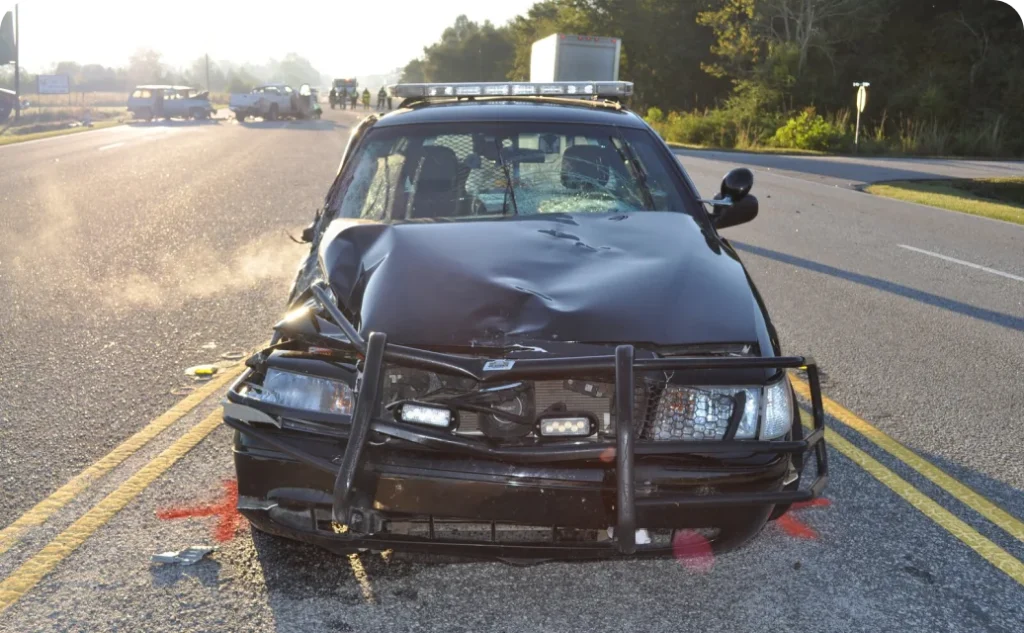
A vehicle cannot leave a scene without leaving evidence — paint transfer, glass, tire impressions, and debris patterns…
 Gerald C. McDevitt
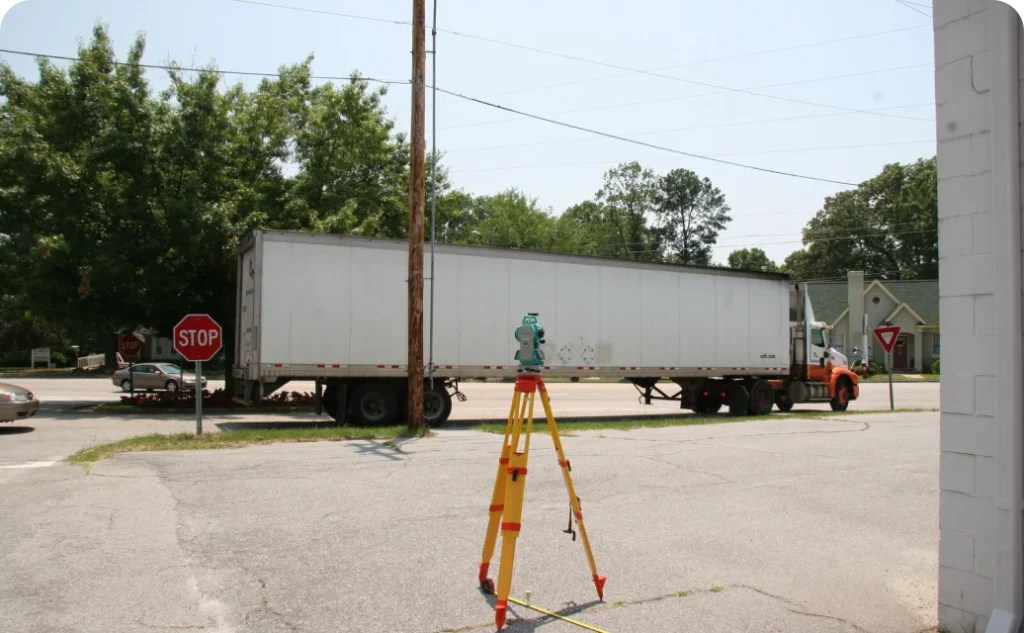
Tractor-trailer and fleet vehicle collisions involve federal regulatory requirements, electronic logging devices, and complex vehicle dynamics that demand…
 Gerald C. McDevitt
When a pedestrian or bicyclist is struck by a vehicle, the body's trajectory, throw distance, and impact kinematics…